QuiverAI raises $8.3M to build the future of vector design and visual code generation
Today we’re announcing QuiverAI. We’re building the next generation of AI models for vector graphics (SVG), paired with powerful tools for design and editing. Built for people who care about precision, editability, and control over their work.
We’ve raised an $8.3M seed round led by a16z, with support from Yoko Li, Guido Appenzeller, and Martin Casado, alongside an incredible group of angels including Linda Tong (CEO of Webflow), Amjad Masad (CEO of Replit), and Michele Catasta (Head of AI at Replit), among others. The round also includes participation from K Fund, JME, and Mission.
Grateful for the trust, and incredibly excited about what comes next. This is the start of QuiverAI.
Our paradigm: Visual code generation
We believe the future of visual creation is controllable, programmable, and iterative. Today, most generative models treat images as pixels. That makes them hard to edit, hard to control, and hard to integrate into real design workflows. At QuiverAI, we’re solving visual controllability by treating it as a coding problem, with structure, feedback, and iteration at its core.
Vectors are code. SVG is code. And large language models are really good at generating code. That’s the core idea behind QuiverAI. Instead of treating visuals as pixels, we treat them as structured, editable programs. That changes everything. You can generate, edit, refine, and control designs with the same precision you expect from software. We call this visual code generation.
This doesn’t stop at icons or illustrations. The same approach extends to diagrams, layouts, fonts, and animations. SVG is just the starting point.
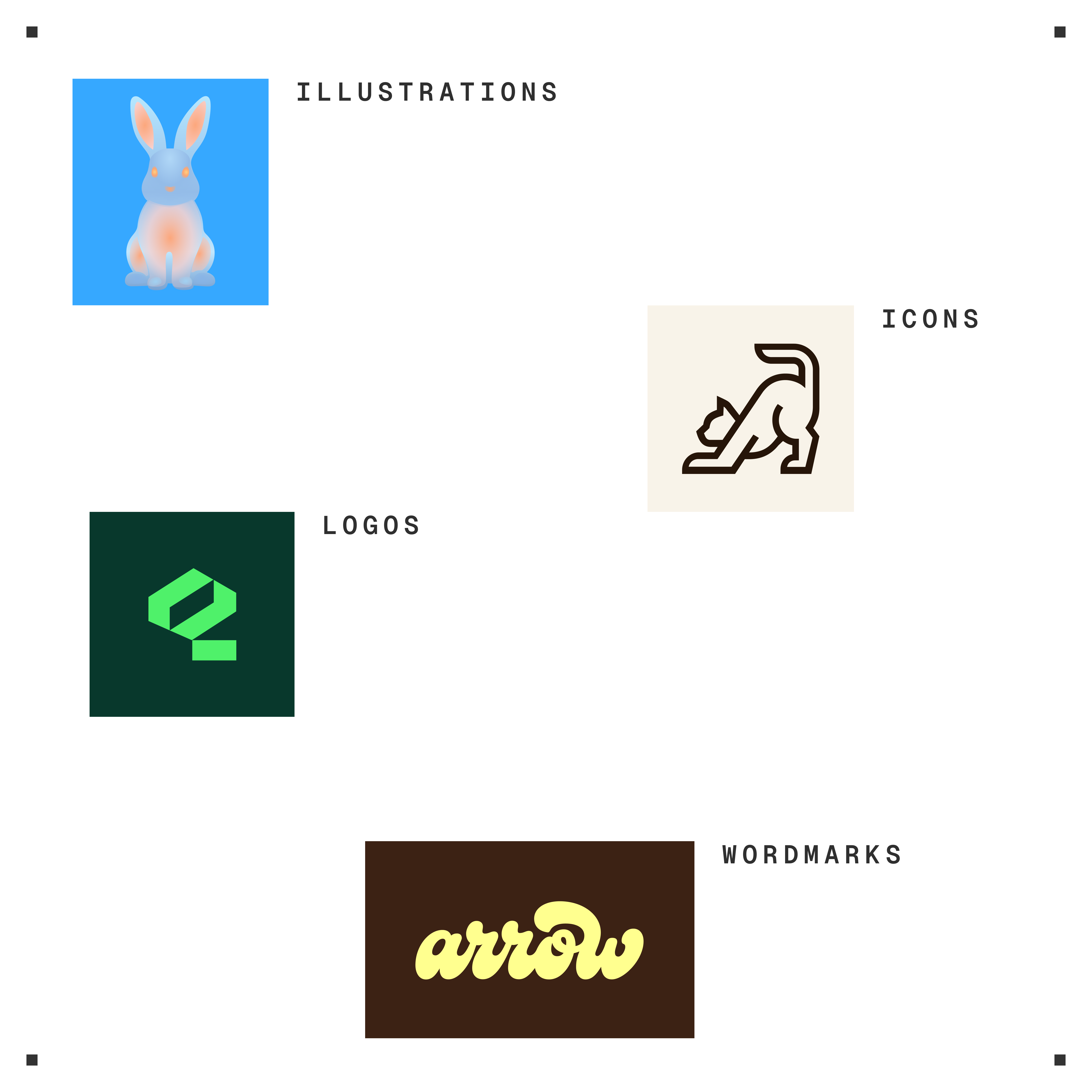
SVGs generated by Arrow 1.0, our first natively-vector model
We’re training our own models to produce high-quality SVG and visual code, and we’re building products around that idea. QuiverAI is both a research lab and a product company. We care about pushing the models forward, and we care just as much about turning them into tools that empower designers and creators.
Why us?
Our foundation is in research. We are researchers in SVG generation with AI, and the authors of pioneering work like StarVector and RLRF, which showed the potential of using large language models for vector graphics generation. We’re continuing that work by training world class models for SVG and visual code generation.
We’re also designers and product engineers with strong taste, driven to build the best tools to harness these models and turn them into powerful products for designers and creatives.
Why SVG?
We’re starting with SVG, the backbone of modern visual creation. It’s editable down to every layer, precise to every control point, and scales from tiny icons to posters, print, and physical products. Designers use it. Front-end and design engineers use it. People in print, architecture, fashion, and manufacturing rely on it every day.
And yet, most SVGs are still slow and painful to create.
Our goal is simple: generate all the SVGs that are waiting to be created.
The Arrow 1.0 model, now in public beta
Today we’re launching Arrow 1.0, our first vector-native AI model. Arrow 1.0 is a multimodal model that generates SVGs from images and text, and lets you perform edits and refinements with natural language. Alongside the model, we’re launching both an API and a UI to create SVG variations from images, text, and sketches, and to iterate on them.
Arrow 1.0 is especially good at producing SVGs that are:
- Clean and precise, with fewer control points and fewer artifacts. Great for icons, fonts, and typography
- Capable of complex shapes, including gradients, polygons, and intricate shapes
- Strong for technical drawings, from floorplans and diagrams to fashion and industrial designs, where structure and editability matter
- Well structured and layered, even when elements overlap, making outputs easier to edit and requiring much less manual cleanup
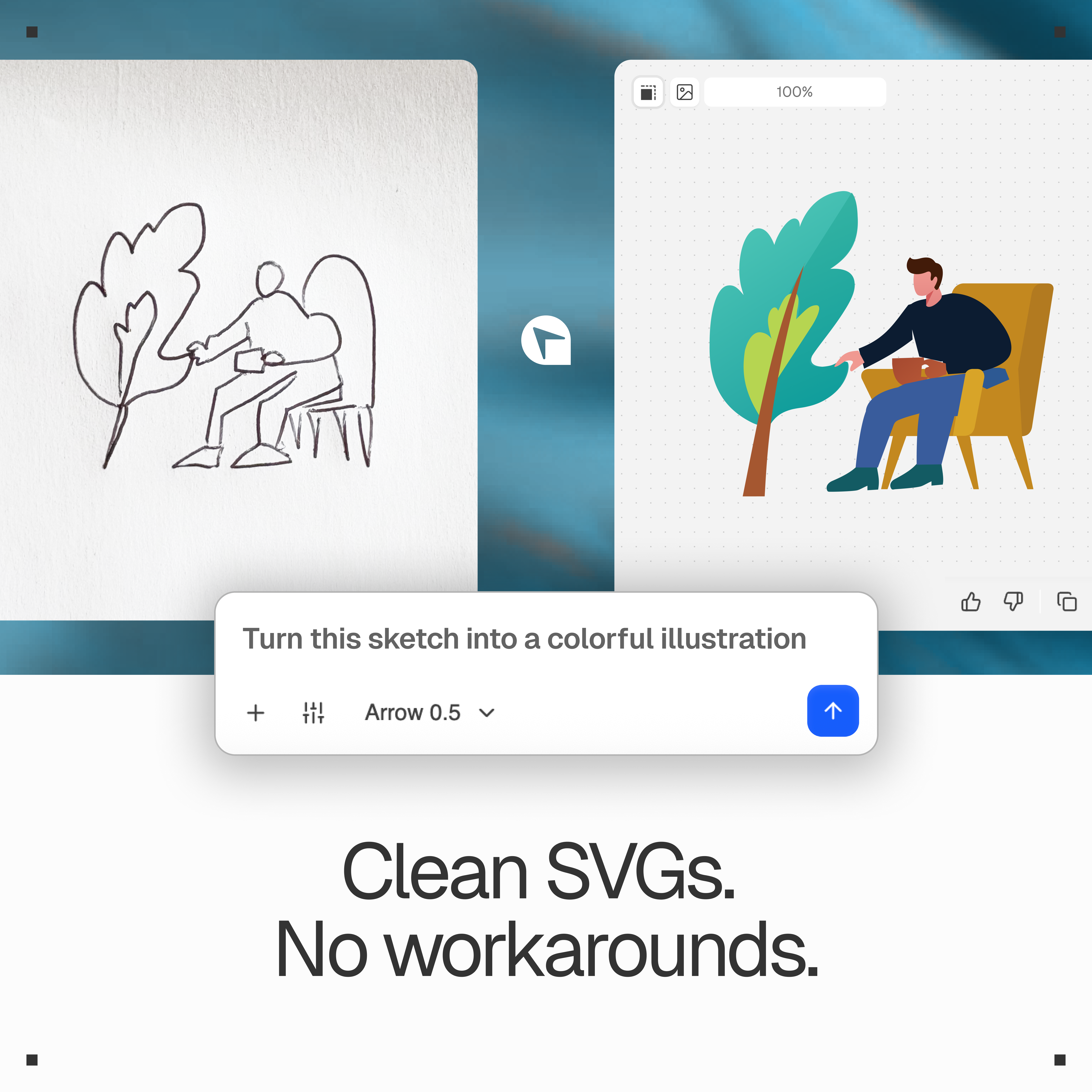
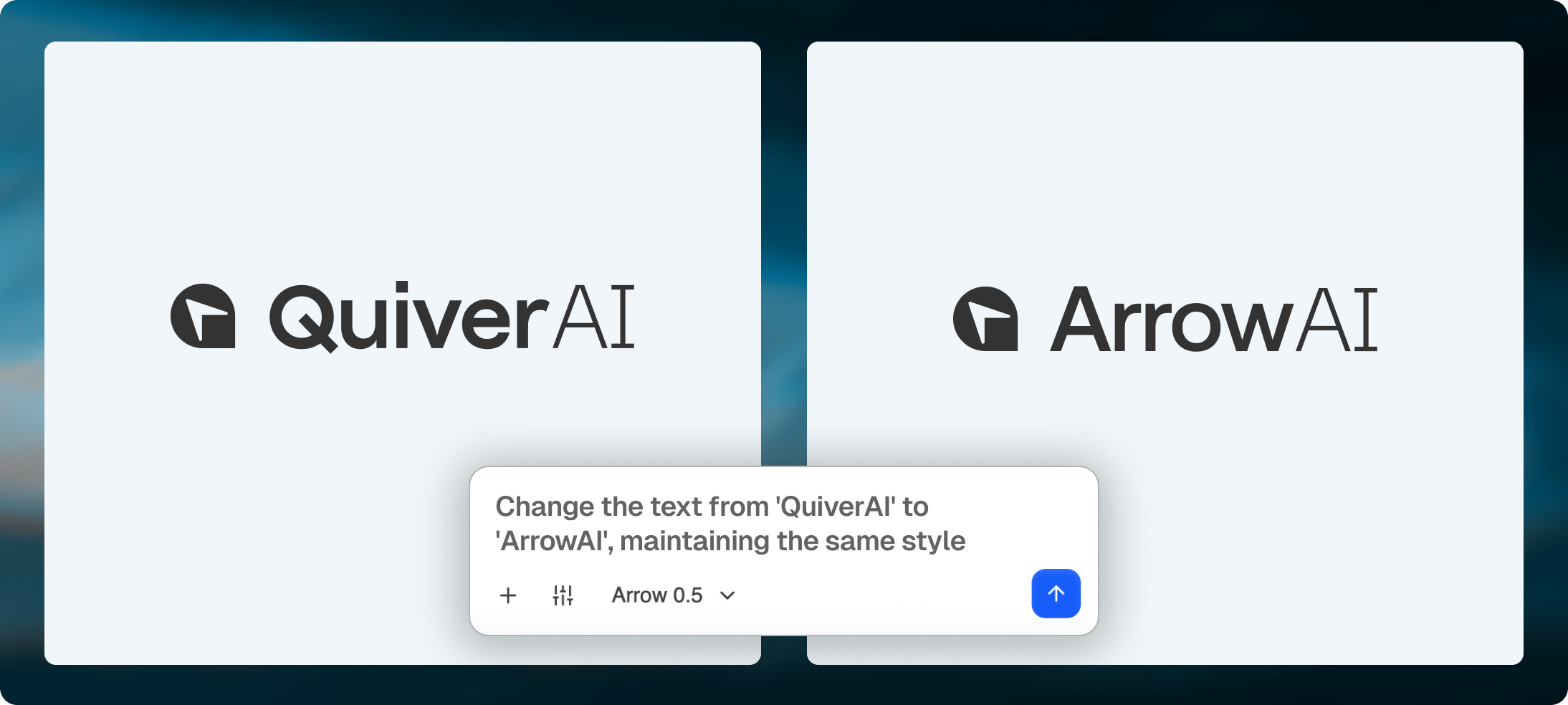
The first version of Arrow 1.0 already helps creatives generate logos, icons, and illustrations while respecting color palettes and style constraints, and keeping everything fully editable.
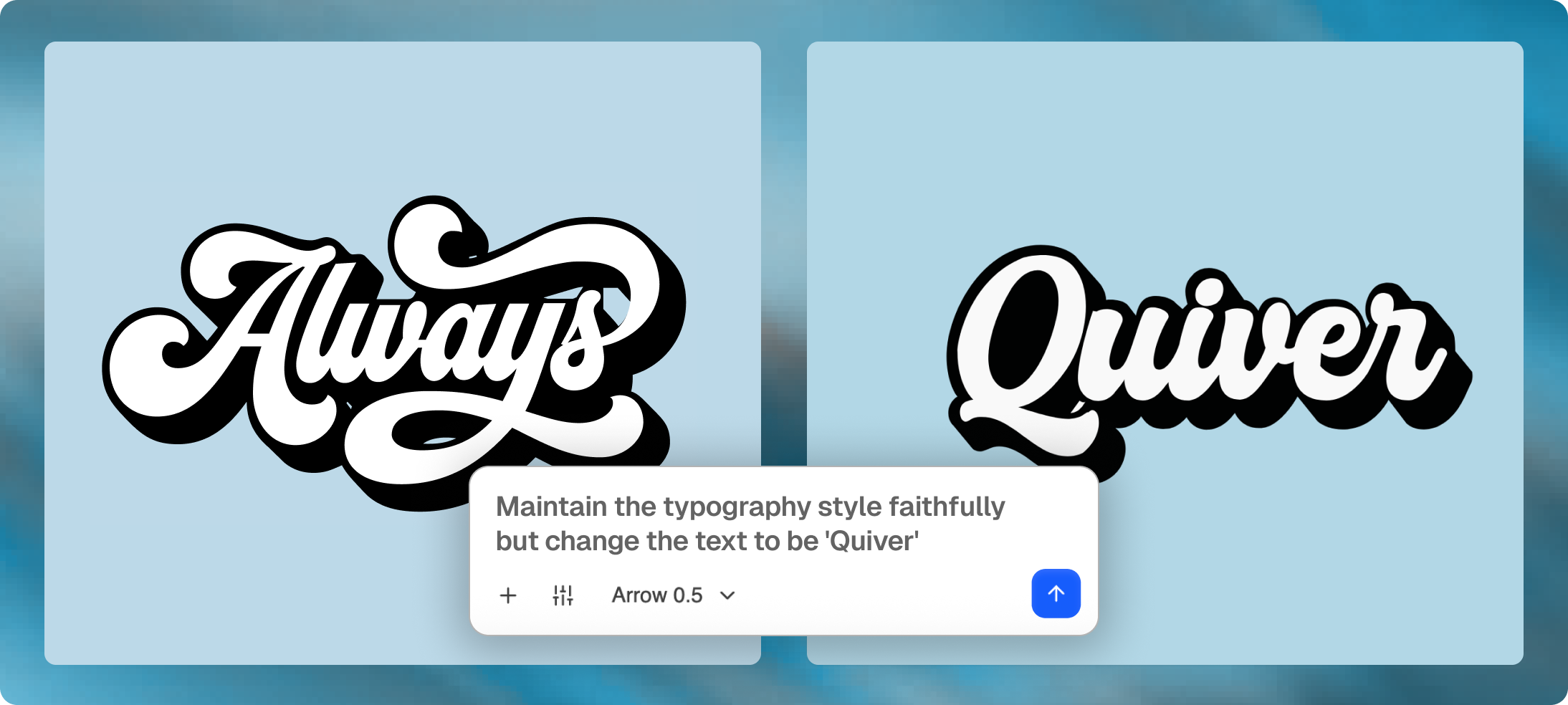
You can try Arrow 1.0 today at quiver.ai in public beta.
The path forward
Vector graphics get really interesting when they get complex.
Long, structured SVGs are hard to generate, hard to control, and hard to edit. Solving this well means better models, better tooling, and better ways for humans and AI to work together on the same design.
That’s what we’re focused on.
We’ll keep pushing the models. We’ll keep improving the UI and the APIs. And we’ll keep building toward a future where creating and editing vector graphics feels as powerful and flexible as writing code.
This is just the beginning. We are excited to keep exploring visual code generation for the future of design.
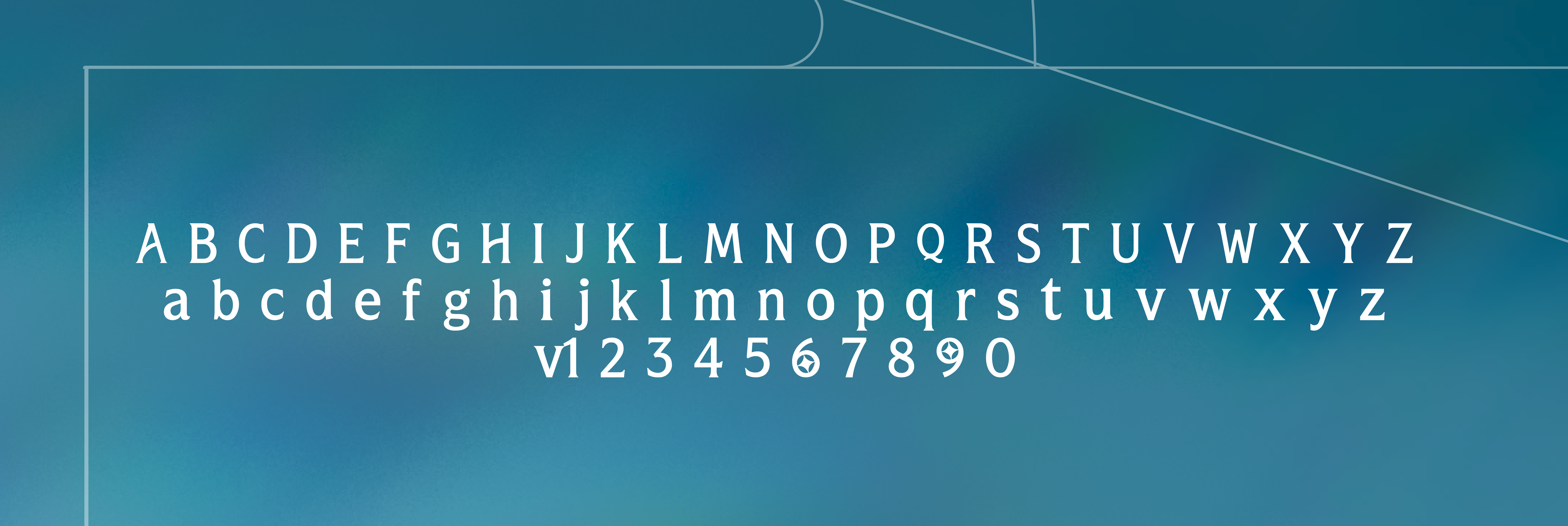
Download Vellum Regular (.ttf)
Backed by builders
Our seed round is led by a16z, and we’re lucky to be backed by people who have built some of the best tools in design and developer workflows, including Linda Tong (CEO at Webflow), Amjad Masad (CEO at Replit), Michele Catasta (Head of AI at Replit), Eric Zacariason (Cursor), Didac Lee (Galdana Ventures), Jiaqiang Ye Zu and Carla Gomez (Theker), David Vazquez (Research Director at ServiceNow), Juanjo Mostazo (K Fund / Homa), Adrian Mato (GitHub, Design Director), Andrew Pouliot (Designer, ex Figma), Guli Moreno (Capchase, Exponential), Sabrina Hahn (Angel, Creative), Guillermo Flor and Ruben Dominquez (The VC Corner). We’re thankful for the trust, the advice, and the high bar they set for us.
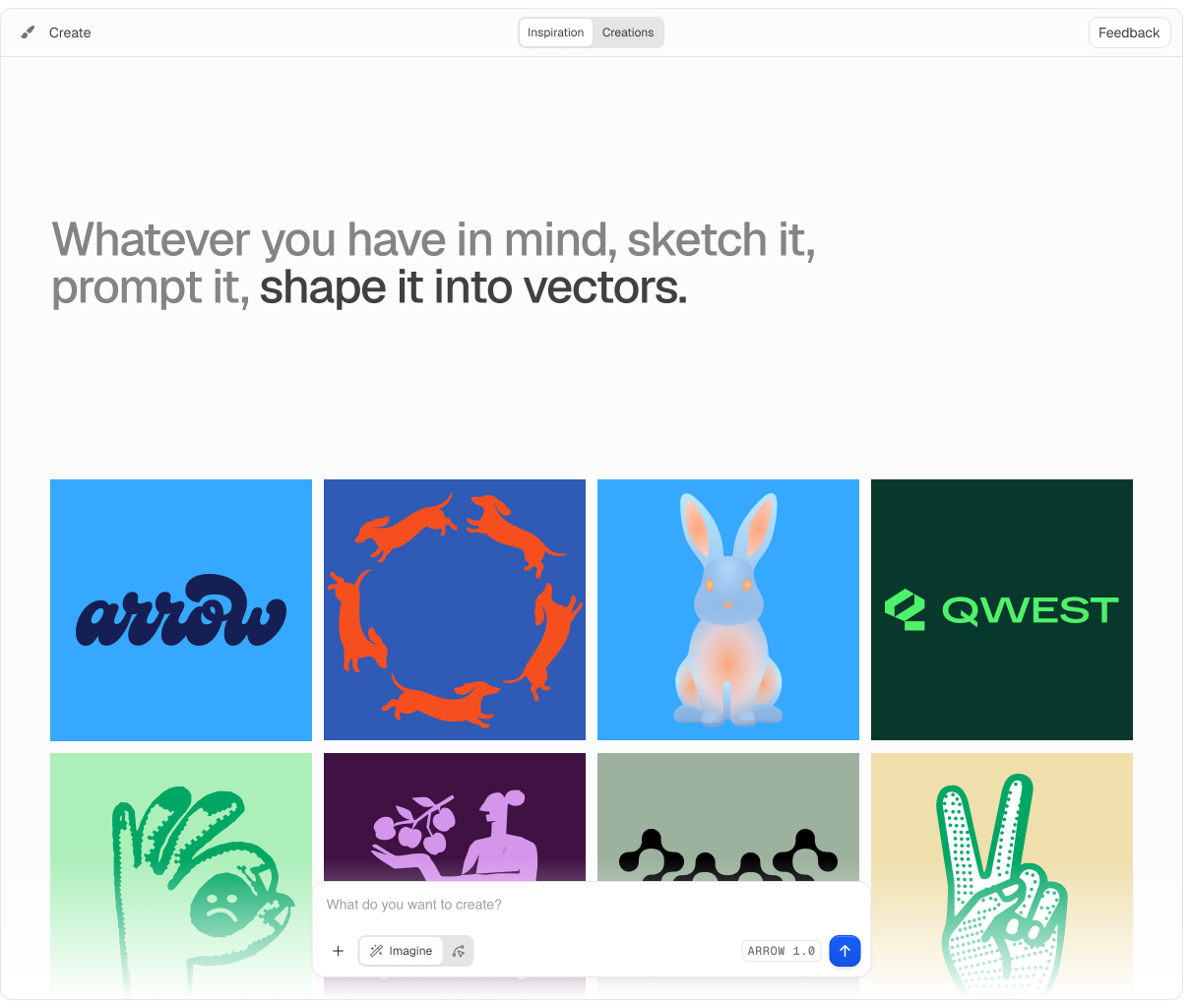
Explore Arrow 1.0 and start creating for free today at app.quiver.ai.
Excited to see what you build.